
Stillpoint Youth Mentorship
The Mental Edge for Junior Golfers.
Nervous system-first mentorship to help your athlete handle pressure, find consistency, and build the confidence required for College Golf.
Nervous system-first mentorship to help your athlete handle pressure, find consistency, and build the confidence required for College Golf.
Athletes Coached
This story reveals the kind of coaching that makes kids feel safe, valued, and ready when the moment matters most.

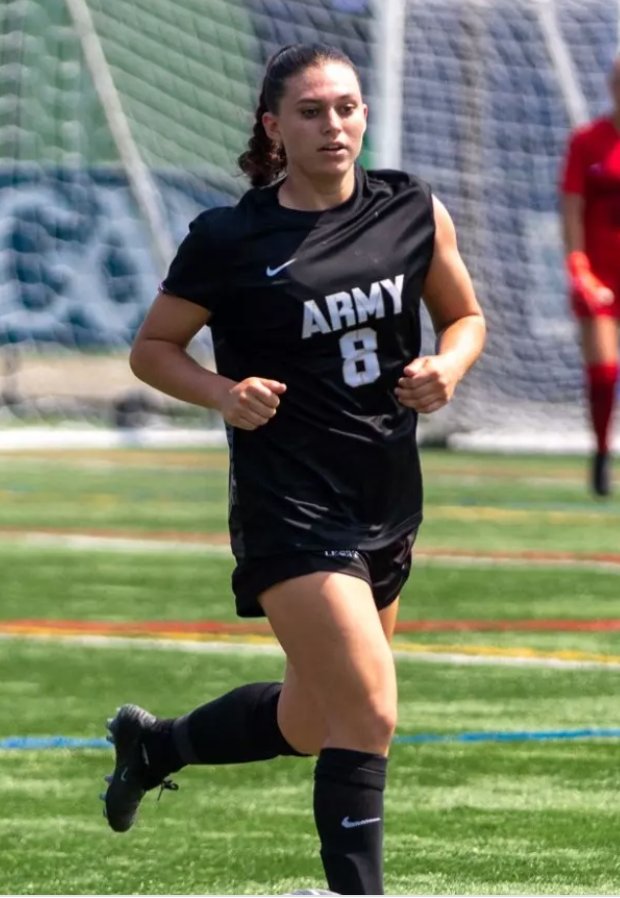
"My previous training had slowed me down and led to repetitive injuries. Eric helped me regain my speed using breathwork and different exercises I hadn't done before."
— Grace Burns, Team Puerto Rico Starter, Rockland County POY

Ellery had a rough start to her season. Through somatic coaching, she learned why certain parts of her swing were always difficult to change — and the training helped her finally make progress.
"Without the mental coaching I don't know if I could have tied for 1st place in the County Championships."
— Ellery Talbot, FCIAC Co-Champion
“My son first came to Eric with an overuse golf injury, de Quervain’s syndrome. Eric corrected the movement patterns contributing to it, and it never returned.
The strength program reduced swing inconsistencies and helped progress swing lessons. He helped my son believe he could play in college and he is now starting as a freshman on his college golf team.
— Kate and Jay Lupo
“Eric’s impact on my daughter was immediate. She loved how much Eric made the technical stuff relevant to her when training. The training made her private swing lessons more effective. Her confidence has shifted completely.”
— Jill Talbot
“Our daughter trusted Eric more than any other strength coach she's worked with. Playing soccer since she was 4, Grace was suffering from tightness in her calves and ankles. Eric's approach was the only thing that created an actual path to improvement and helped her regain speed.”
— Stephanie and Brian Burns
Train the athlete before the sport.
Identity-Led Coaching
Wyatt looks back on the letter he wrote to his future self — and sees how much of it became real.
"What defines you isn't the bad round — it's your response to it."
— Wyatt
It starts with small shifts you can feel but can't quite name.
The Signs
The Back-Nine Collapse: Physical tension that leads to rushed tempo.
The Hero Pattern: Trying to do too much after one mistake.
Identity Tied to the Scorecard: A bad round ruins the entire weekend (and the car ride home).
The "Practice Range" Pro: Great in lessons, but the swing disappears on the course.
The Real Issue
These aren't always discipline problems. Sometimes pressure is bigger than the tools they have right now.
In golf, it shows up as tension, rushed tempo, and a swing that disappears under pressure. Your kid is trying. They care. The work is helping them build tools that hold when the moment gets bigger.
Free Young Athlete Pressure Profile
Start with the profile. It helps parents see whether the issue is skill, confidence, pressure regulation, mistake recovery, or sport starting to feel heavier than it should.
Your kid may not need to be pushed harder. They may need to learn how to stay present when the moment gets bigger.
Take the Free Profile Book Parent ConversationMechanics → Output → Results
Safety → Self-Trust → Expression → Performance → Results
This isn't a lesson package or a training subscription. It's a mentorship container — a structured commitment to your athlete's development across movement, identity, and pressure management.
Only 5 athletes at a time.
Fifteen minutes to see whether mentorship, a focused reset, or a simpler training path is the right next step.
TPI-informed movement screening, golf-specific strength and mobility training, and swing fault correction through the body. For athletes who want to build the physical foundation — without the full mentorship.
Book Parent Call →Pressure regulation, identity work, and nervous system training for athletes who already have a physical program in place. Focused sessions for competition readiness, confidence, and consistency under pressure.
Book Parent Call →For Parents
Want to understand the approach before reaching out? Start with the articles.
Read: Junior Golf & Youth Performance Articles →
15 minutes. Clear next steps.