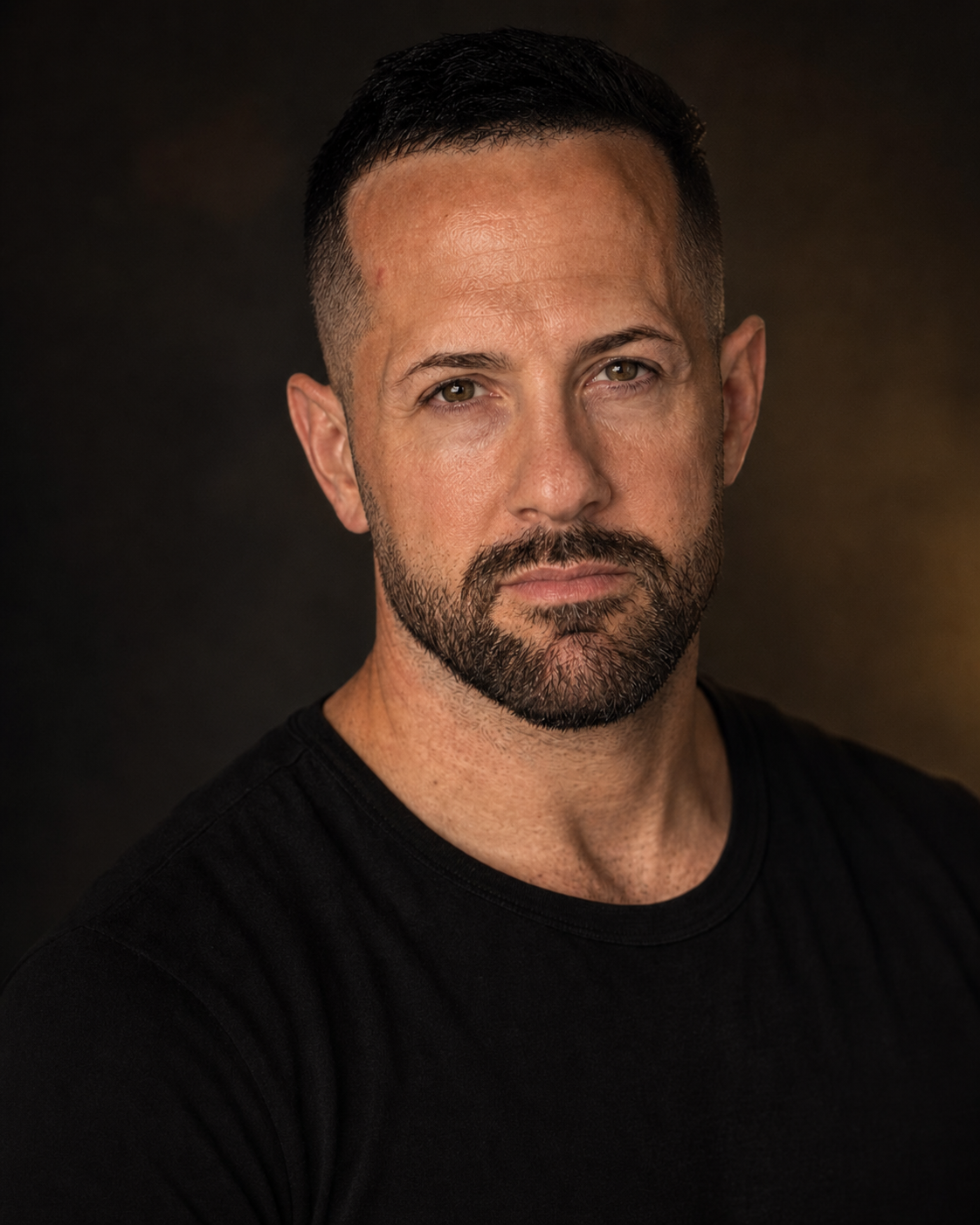
The Origin
Clarity came when I finally stopped trying to fix myself.
For years, I chased a version of myself I could never arrive at. The shift began when I recognized the loop.
I wasn’t broken.
I was caught in a loop.
After five years of deep self-development, I finally saw the loop I was in. Somewhere along the way, I had started believing I was broken. Everything I learned became another reason to improve—and another reminder that who I was wasn’t enough.
I was chasing a version of myself I could never arrive at. Even when I made progress, the finish line moved. Seeing that loop changed the direction of my life—and eventually, my coaching.
I only had
one gear.
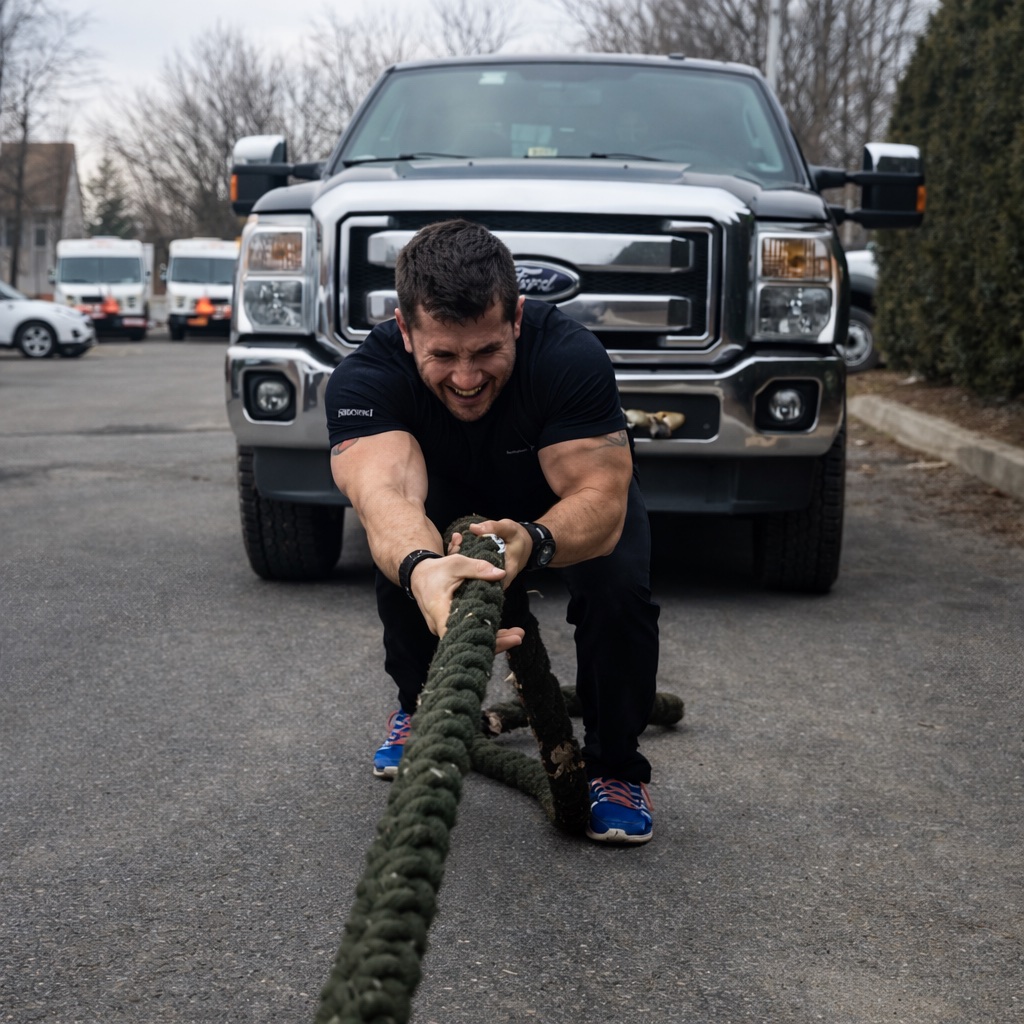
Years earlier, I could train for two hours, then go straight into a 45-minute truck-pull workout to prove I could hang with a Navy SEAL.
I had the capacity. But high intensity was the only gear that felt like enough.
Fatherhood sharpened the lesson: strength wasn’t just what I could produce. It was the energy, patience, and presence I still had to bring home.
My body kept asking me
to pay attention.
I started thinking more than feeling. Trying harder than trusting. Pushing forward physically even when my body was giving me clear signs to slow down.
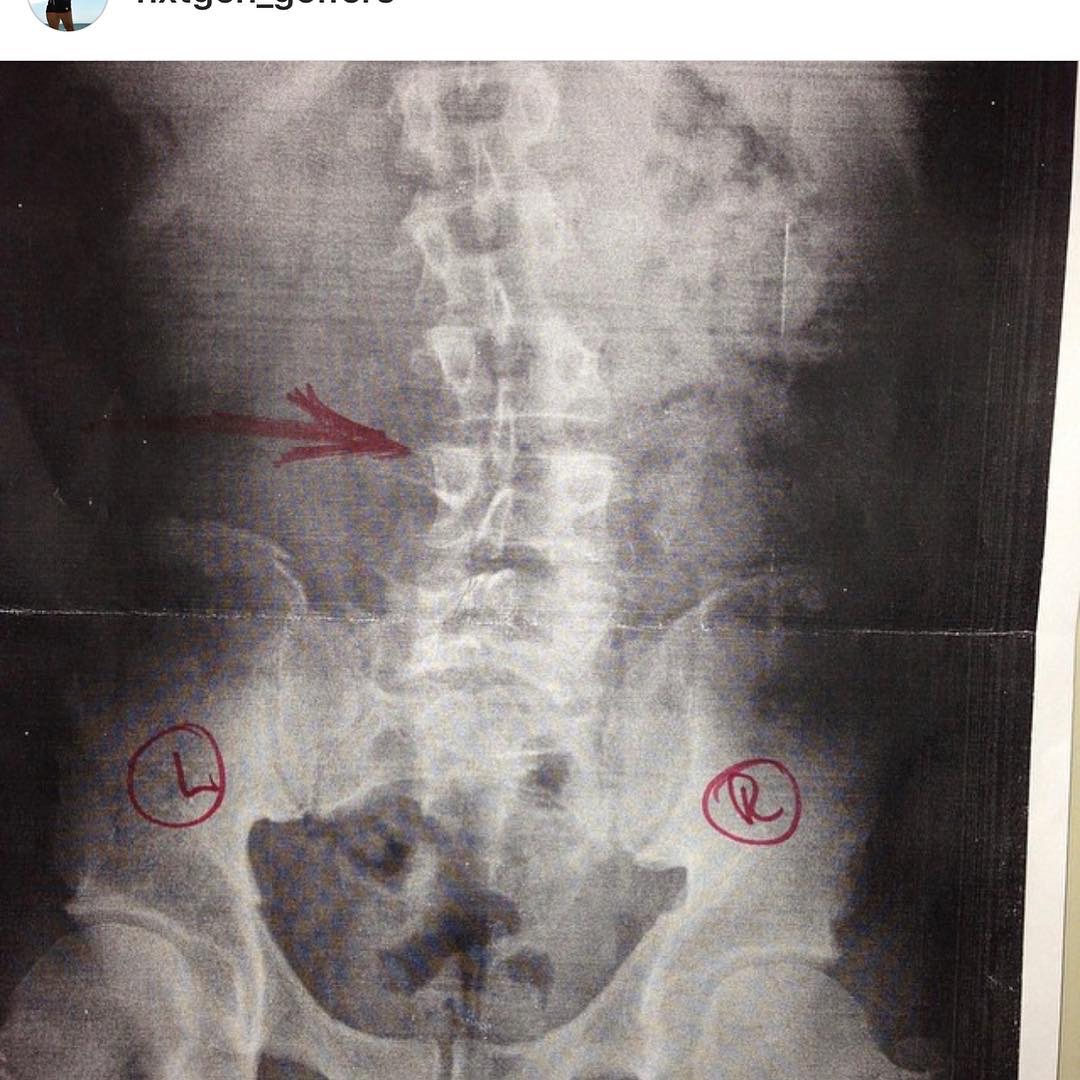
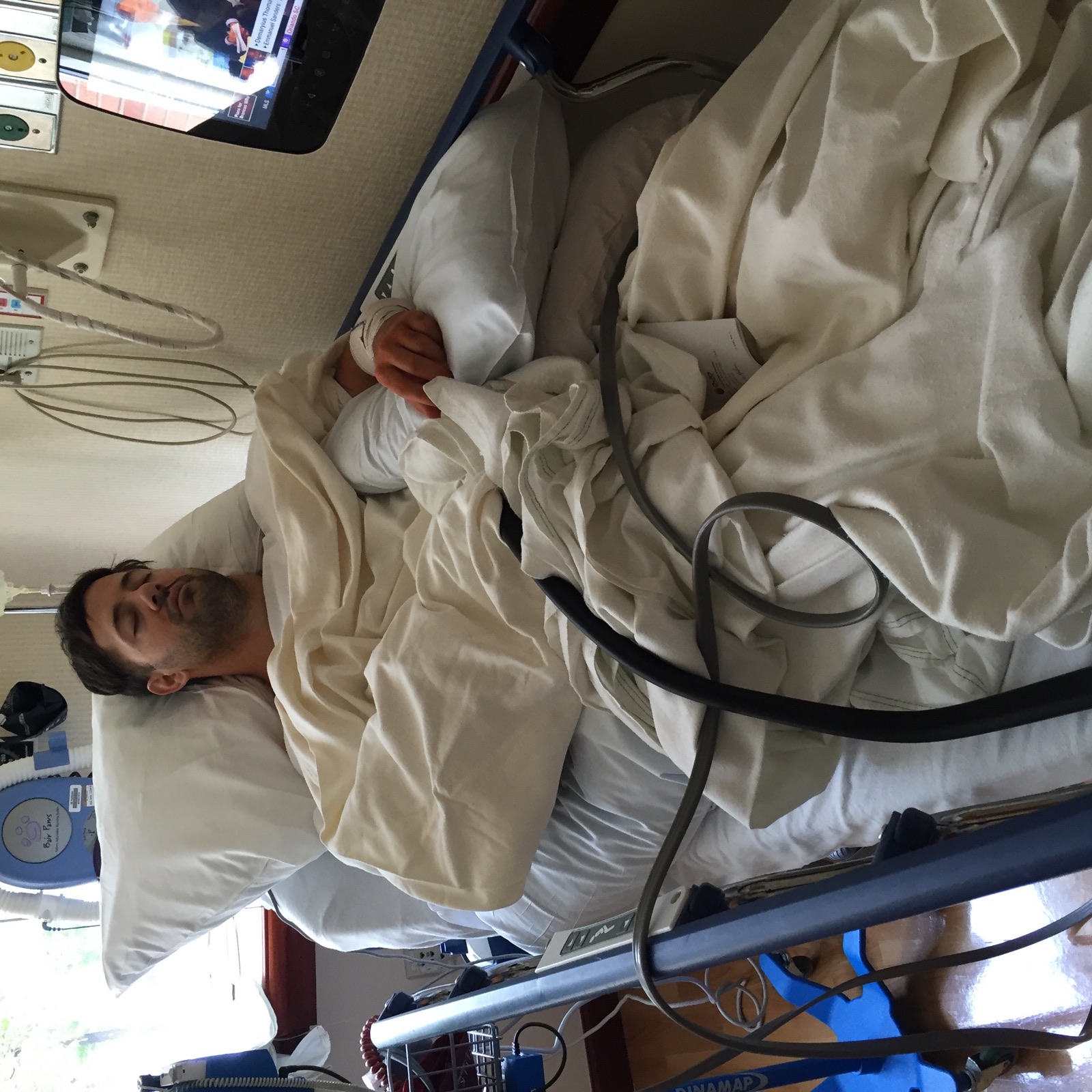
Chasing performance became a constant search for chronic-pain solutions, and I blamed it on things that were wrong with my body. But every time I gained the knowledge to heal myself, I ended up back in pain—until eventually the pain became chronic and I was stuck.
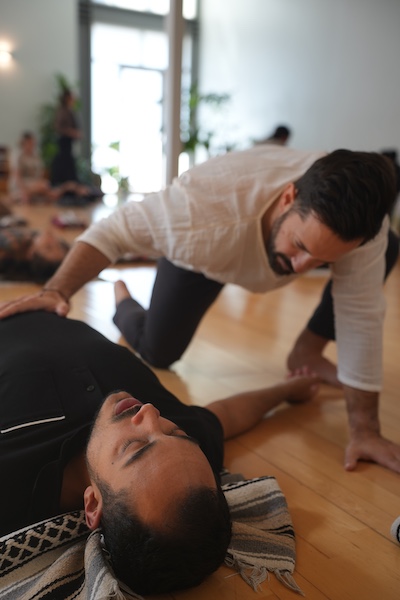
I stopped treating myself
as the problem.
Those five years included trips around the country and into the Amazon jungle, along with some of the most profound breathwork teachings I’d experienced. But the turning point was recognizing the belief underneath the search: that I was broken, and who I was wasn’t enough.
I finally understood what I’d been missing:
Contact.
Not confidence. Not certainty. Contact with myself under pressure. That changed everything.
Subtle Identity Drift.
I could see my own pattern more clearly: pressure, pushing harder, losing touch with what I needed, then starting over. I later gave it a name: Subtle Identity Drift.
It describes how easy it can be to lose sight of what matters to you when effort becomes the only response and results start deciding how you see yourself.

Build the capacity
to stay yourself.
I help people notice what pressure changes in the way they breathe, move, and respond, then practice a steadier way forward. Where we begin depends on what you want help with.
Coaching for young athletes, golfers, and adults building strength and steadiness under pressure.

Breaking the Pattern That
Unlocks Performance

Start with a conversation.
Tell me what you want help with. We’ll find the right starting point together.