Posture had drifted forward
Keeping his head against the backrest of his car seat had become difficult.
Alan knew how to play. We worked on the strength, coordination, and rhythm that helped him put that skill to use.
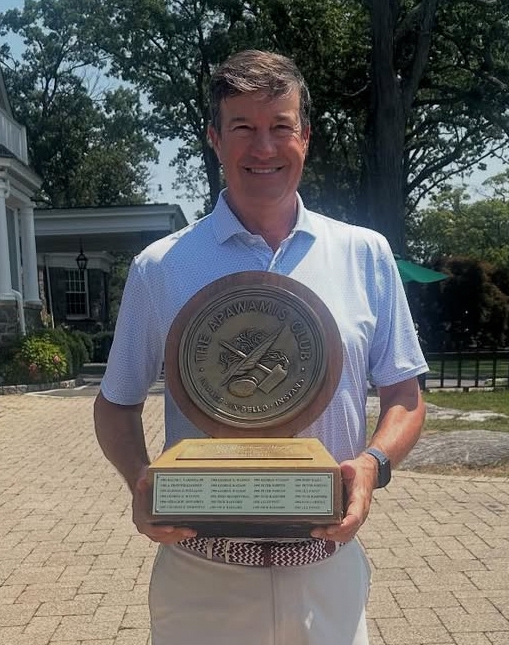
“My handicap dropped from a 4.0 to a 1.0. At 65, I’m playing the best golf of my life.”— Alan W. LeFevre
We started with how Alan moved, before adding more weight or speed.
Keeping his head against the backrest of his car seat had become difficult.
Push-ups revealed inconsistent sequencing and head control.
He estimated his drives at roughly 240 yards—below what he felt his skill could support.
He had trained before. We slowed down to improve the movement before adding intensity.
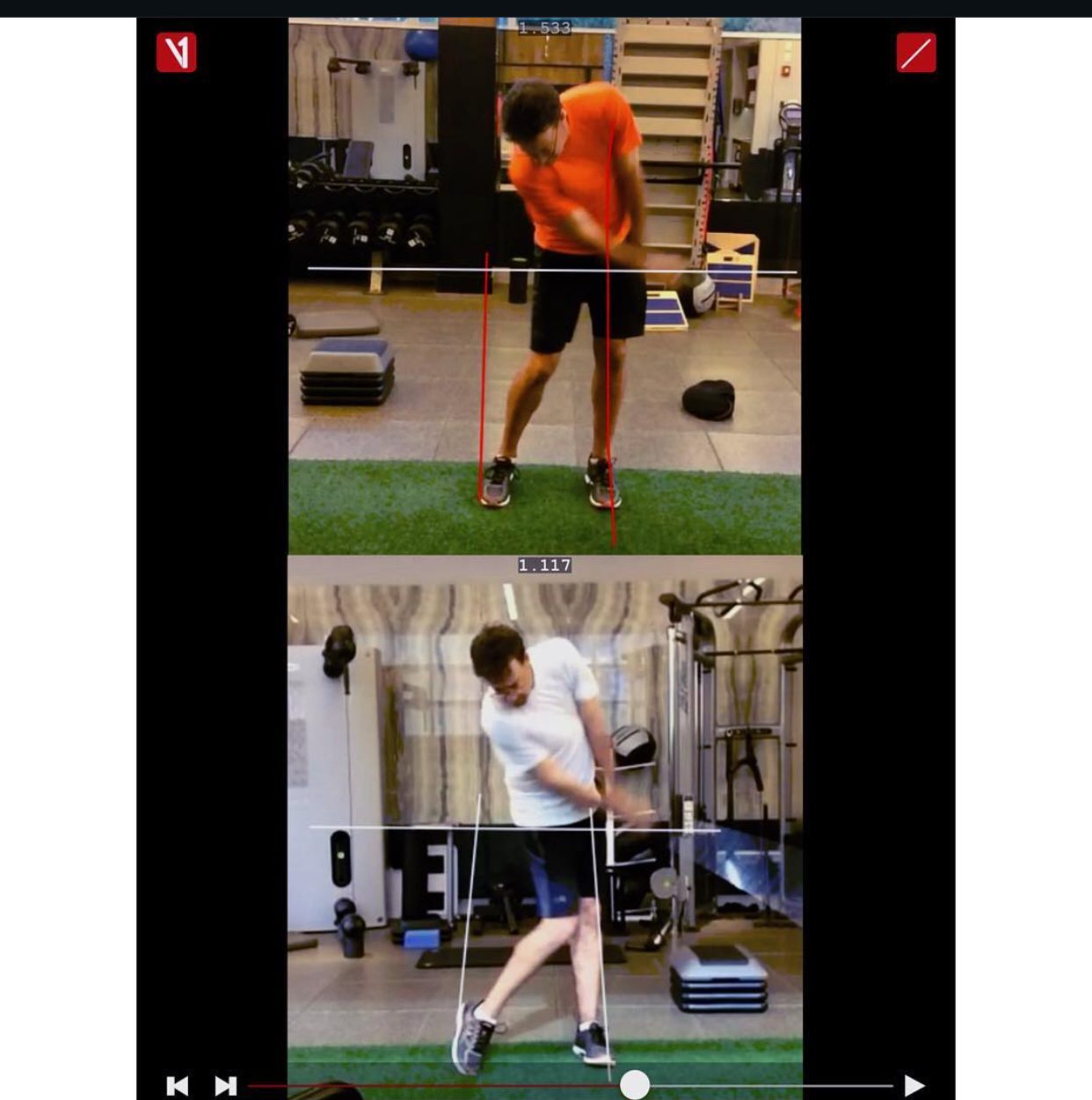
The alignment lines helped us observe posture and rotation, and how Alan organized force before adding load or speed.
Head control was treated as one expression of whole-body coordination—not as a command to keep the head still. In a rotational sport, the useful question is whether head movement is organized and repeatable while the rest of the body produces force.
Move slowly enough to notice compensation and find a more coordinated option.
Use push-ups, squats, and medicine-ball patterns to practice coordination.
Build control, then progress tempo and rhythm before increasing external load.
Develop power, rotation, and conditioning while preserving rhythm.
Eric coached strength and movement alongside Alan’s golf professionals, who led the swing-technique work.
Alan reported moving from a 4.0 handicap to 1.0 over a period of years and now estimates driver distance at 280 yards or more.
He also noticed better energy outside golf—an important result because the process was designed to build capacity, not spend it recklessly.
Public records document continued success at multiple clubs and competitive senior events.
Let’s talk about your golf and what you want to improve.